

Turn parking stalls
into a paid amenity.
Tesla V4 Superchargers on your lot: drivers routed to you by in-car navigation, 20–40 minute dwell times, and a charging asset you control the price of. We qualify the site, package it for Tesla, and coordinate the licensed build.
Know which path you're on before anyone quotes you a number.
These get confused constantly. They have very different economics, and the honest answer for your site depends on which one you're a candidate for.
You own the chargers. Tesla runs the network.
Tesla sells the V4 hardware to the property owner as a turnkey package: hardware, a dedicated Tesla project engineer for design, software, payment processing, driver support, preventative maintenance and 24/7 network operations — for an all-inclusive per-kWh network fee. You set the price drivers pay and keep the margin. Your logo or white-label.
- Best for: owners with strong traffic and dwell time who want the upside, not just rent
- Capital: you (or a lender / partner) fund the equipment and construction
- Islander's role: qualify the site, model the economics with real utility data, coordinate the licensed electrical build
Tesla builds and operates. You lease the stalls.
Tesla selects, funds and operates its own network sites and pays the property owner for the parking and access, typically as a lease. Tesla decides where these go based on network gaps and traffic; you don't buy equipment and you don't set pricing.
- Best for: owners who want zero capital exposure and steady, modest income plus foot traffic
- Capital: none from you
- Islander's role: package your site (power, layout, traffic, tenant mix) so it's easy for Tesla's real-estate team to say yes
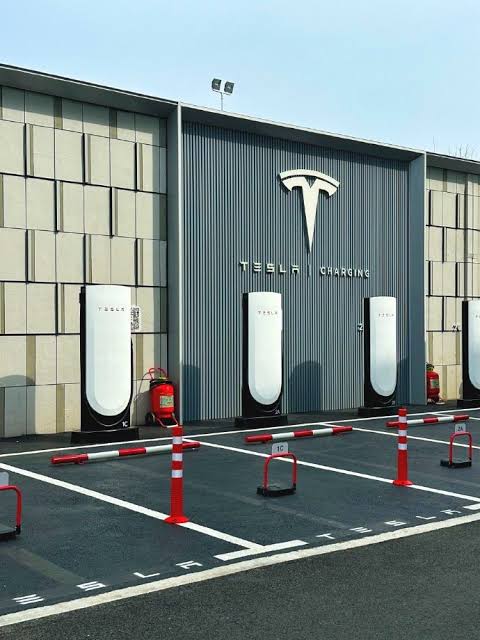 V4 post · 1 m flood tolerance · IP54
The five things that decide it.
Power
Available electrical service, or a realistic path to it, within roughly 100 m of where posts would go. This is the number one filter.
Traffic and visibility
Corridor counts, freeway proximity, and whether a driver would choose you over the next exit.
Dwell time
Tenants that hold people 20–45 minutes — grocery, fitness, dining, medical, hotels — beat tenants people run in and out of.
Layout
Eight or more contiguous stalls with room for the power cabinet, ideally at the front or side, away from building faces.
Competition
Nearby DC fast charging thins utilization. Gaps in the network are worth more than crowded corridors.
Not all commercial property behaves the same.
Retail strip & shopping centers
The classic fit. Anchor tenants with dwell time turn chargers into a foot-traffic engine for every store in the center.
Hotels & hospitality
Overnight guests plus highway travelers. Charging becomes a booking reason, not just a line item.
Auto dealerships
Service customers wait anyway. Fast charging on the lot serves your own inventory and pulls in the public.
Office & industrial parks
Daytime demand from employees and fleets; solar canopies over stalls can offset the demand charges chargers create.
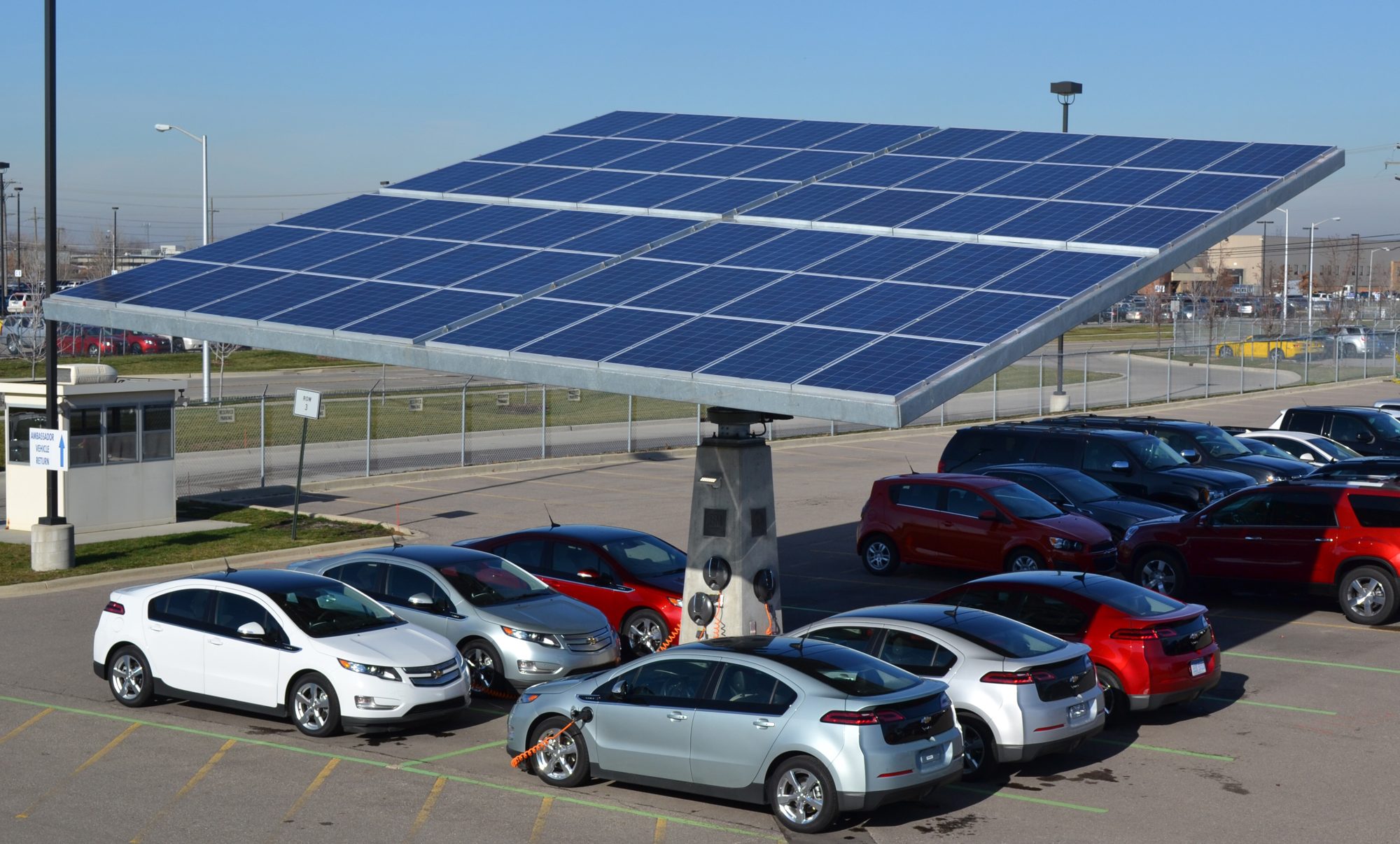 Solar canopy over charging stalls
Chargers create demand charges. Canopies and batteries fight back.
A DC fast-charging site can spike a property's peak demand. Solar canopies over the same stalls plus a battery can shave that peak, keep tenants shaded, and turn dead pavement into generation. We model this per site with your actual tariff — FPL, Duke, TECO, JEA or a co-op each price demand differently.
Homeowner questions.
Why won't you give me a price online?
Because we'd have to guess at your roof, shading, usage and utility rules, and the tax treatment of a residential system depends on your personal situation. A number that's off by 30% helps nobody. Start a bill review; we'll send real numbers in writing.
What about the federal tax credit?
Federal incentive rules for residential solar changed materially with 2025 legislation, and eligibility depends on timing and your tax situation. We'll tell you exactly what applies to your project at the time you sign, and we recommend confirming with your tax professional. We don't quote incentive amounts on this site because they go stale.
Do I need a battery?
Not necessarily. If your goal is bill reduction alone, sometimes not. If your goal is riding through outages, yes — and the sizing question is which loads for how long. Our Batteries 101 page walks through it.
Who installs it?
An independent, state-licensed Florida contractor we partner with. Islander Solar handles design, equipment selection and project coordination; the contractor performs the installation, electrical work and permitting under its license.
Start your bill review. Get real numbers.
Two minutes online, a technical advisor within 24 hours, and we'll ask for a copy of your bill securely during that first conversation. No pressure to move faster than you want to.
Start my bill review